Skip to content
Last Updated on November 19, 2025 by John Hookway
Have you ever thought about why things you believed about yourself now seem unsure? Many grown-ups find out they are autistic when they are older, leading to an identity crisis.
You are not the only one—research shows more adults get diagnosed with autism now than before. It is normal to feel happy, sad, and puzzled at the same time.
Many people struggle with who they are as they try to match their new ideas about themselves with their past and what others expected. Your feelings are important, and you are not the only person going through this identity crisis.
Key Takeaways
- Getting diagnosed with autism later in life can make you question who you are. You might feel confused about your past and how you see yourself.
- It is normal to feel many emotions after you get a diagnosis. You may feel happy but also wish you knew sooner.
- Showing your real self can be hard. But it is important to accept who you are.
- Meeting other neurodivergent people can help you feel less alone. They can give you support.
- Doing creative things can help you share your feelings. You can also find out what you really like.
- Talking to a professional can help you handle your feelings. They can help you learn more about yourself.
- Taking care of yourself and speaking up for yourself are very important. These things help you build your identity and feel strong.
- Growing as a person takes time. Every small step helps you learn about yourself and what you need.
Identity Crisis After Diagnosis
Shifting Self-Perception
Getting a late autism diagnosis can change how you see yourself very fast. You may start to wonder about your personality and what you are good at.
You might also think about your struggles in a new way. Suddenly, your past looks different. You may ask, “Was I always different because of autism?” This change can be confusing and scary. Many people feel lost or unsure about who they are.
You might notice:
-
- You doubt your skills or choices from before.
- You feel unsure about where you fit in.
- Your old idea of yourself does not seem right anymore.
This identity crisis can make you feel like you have to start again. You are not alone in this. Many adults feel anxiety, depression, and other mental health problems after a late diagnosis. It is also common to have trouble in relationships and to feel not good enough.
Emotional Impact: Relief, Regret, Confusion
You may feel many emotions after finding out you are autistic. Relief is often the first feeling. Now you know why things did not make sense before.
“When I got my diagnosis, it changed everything for me. Having that answer made me feel strong and sure. I finally understood why things happened. I was so happy I cried for three days. I could not sleep because I was shaking and crying with relief. I was right all along.”
Some people feel regret too. You might wish you had known sooner. You may wonder how your life could have been different. You can feel happy and sad at the same time.
“I cried from relief and joy because my struggles were real. The diagnosis was huge for me. I was so happy to finally know why life was hard. Now, so many things make sense.”
It is normal to feel both relief and regret. These feelings are part of the identity crisis that comes after a late diagnosis.
Rewriting Personal History
After your diagnosis, you may look back at your life in a new way. Many people think about old memories and see them differently. You might see that social struggles were not your fault. They were signs of your unique needs.
| Key Findings | Description |
|---|---|
| Retrospective Re-evaluation | You may look back and see old events in a new way. You learn more about yourself. |
| Emotional Responses | This can bring relief, sadness, and confusion as you rebuild your self-image. |
| Identity Crisis | A late diagnosis can cause an identity crisis as you rethink how autism shaped your life. |
- Learning about autism can help you see your past struggles differently.
- Social problems may seem less like your fault and more like a mismatch with your surroundings.
For many people, this is both helpful and emotional. You may feel better as things make sense, but you might also feel sad for chances you missed or help you did not get. This is a big reason why the identity crisis after a late autism diagnosis feels so strong.
Unmasking and Authenticity
The Cost of Masking
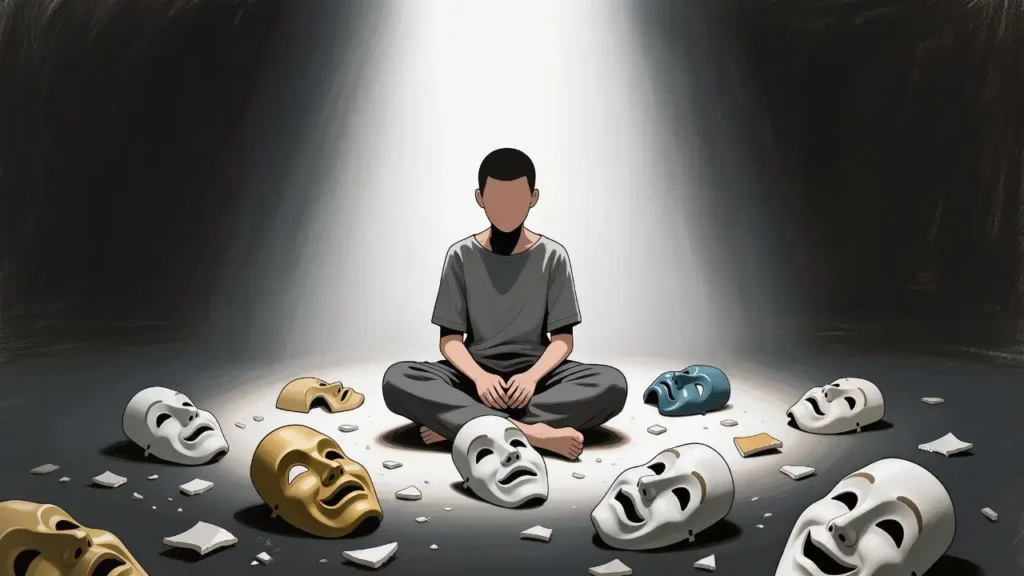
You may have spent a long time hiding your autistic traits. This is called masking. Many autistic adults do this to fit in with others.
You might copy people, hide your stimming, or force yourself to make eye contact. Masking can feel like wearing a costume every day.
Here’s what research says about masking in autistic adults:
| Evidence Description | Findings |
|---|---|
| Many autistic adults with average or high IQ use social masking. | Masking makes it harder to spot autistic traits, especially in those diagnosed late. |
| Masking is linked to more social anxiety, anxiety, and depression. | This means masking can hurt mental health for autistic adults diagnosed late. |
| Females with ASD are better at hiding their symptoms. | Masking may be stronger in females diagnosed late. |
Masking has a cost. You may feel tired from pretending. You might notice more anxiety or depression. Some people lose track of who they really are. Relationships can get worse because you cannot show your true self.
Masking can cause:
-
- Anxiety and depression
- Feeling tired and burned out
- Losing your sense of self
- Getting diagnosed late or wrongly
- Trouble with relationships
- Feeling alone
- Lower self-esteem
- Higher risk of emotional or physical abuse
Some people even think about suicide because of the stress. Trying to act “normal” can make the identity crisis harder.
Challenges of Unmasking
After your diagnosis, you may want to stop masking. Unmasking means showing your real autistic traits. This can be hard. You may not know how to act without your mask. You might worry about what others will think.
| Challenge | Description |
|---|---|
| Handling sensory needs | You may struggle with sensory issues you used to hide. |
| Social situations | Unmasking can make talking to people confusing. You may not know how to be yourself. |
| Showing feelings | Sharing emotions can be tough after hiding them for years. |
| Personal beliefs | You might rethink beliefs and values you kept secret. |
| Finding happiness | It can be hard to find joy after trying to fit in for so long. |
Unmasking can feel scary. You may feel open or unsafe. You might need to learn new ways to talk to people. Old feelings of shame or fear can come back.
Embracing True Self
What does it mean to accept your real self after a late autism diagnosis? You start to see your strengths and challenges. You let go of stereotypes and notice your true worth. You may meet other neurodivergent people who understand you.
Ways to accept your true self:
-
- Notice your strengths
- Work with your challenges
- Ignore stereotypes
- Understand and break down ableism inside you
- Find supportive friends
- Connect with people like you
- Take off your mask if you feel safe
- Learn to speak up for yourself
- Accept your real autistic self
It can help to notice when you feel pressure to hide your traits. Knowing your sensory, emotional, and social needs can help you.
Doing stimming, moving, and expressing yourself can feel good. Speaking up for yourself and setting boundaries can make relationships better.
Rest and taking breaks can help you recover from stress. Recharge by doing hobbies or things you enjoy. Connect with people who share your experiences. Decide what success and self-worth mean to you.
Accepting your true self is a big step in the identity crisis. You may feel more steady and sure as you learn to be yourself.
Reassessing Relationships
Family Dynamics
Getting a late autism diagnosis can change your family life. You might feel different when you talk to your family.
Sometimes, it is hard to share your feelings or thoughts. You may feel lonely even with people you love. Your family might not get your new needs or actions.
Some challenges you may face:
-
- It can be hard to make or keep close relationships because of social and talking problems.
- You might feel alone around your family.
- Brothers or sisters without autism may feel sad or left out. They may want to be closer and get upset when things do not work out.
Family life can get tense. You may want to tell your family about your diagnosis, but it is not easy to find the right words. Some family members need time to get used to this change. Others may feel worried or confused. These changes can make your identity crisis feel worse.
Friendships and Social Isolation
Friendships can change after a late autism diagnosis. You might feel alone, even with friends. Making friends can be hard because social rules are tricky.
You may worry about saying something wrong or missing hints. Sometimes, old friends do not understand and drift away.
You might notice:
-
- Feeling alone in your group of friends.
- Having trouble making or keeping friends because of social problems.
- It is hard to get help from friends.
- You may depend on some friends for company, even if it is not healthy.
- Young autistic adults often do well with friends who accept them.
- Friendships can affect how happy and healthy you feel.
You may wonder what friendship means to you now. Some people feel better with friends who accept them. Others miss old friends. How you see yourself and others can change during this time.
Friends who accept you can help you feel safe. When people like the real you, you may feel more understood.
Rebuilding Connections
After your diagnosis, you may want to fix or build new relationships. You might look for people who get what you are going through.
Support groups, family, and friends can help you feel less alone. Meeting others with similar stories can give you advice and care.
Ways to rebuild connections:
-
- Get help from family, friends, or autism support groups.
- Talk to people who have had the same changes.
- Make good relationships to help with new problems.
- Build a group that helps you grow and meet your needs.
You may feel scared to reach out, but you do not have to do it alone. Many people find new strength in a community. Sharing your story can help others know you better.
Over time, your relationships may get more honest and helpful. This can help you move past the identity crisis and feel like you belong.
Navigating the Identity Crisis
Self-Doubt and Adjustment
When you get a late autism diagnosis, you might feel a wave of self-doubt. You start to question your choices, your strengths, and even your place in the world.
This feeling can be strong because past experiences may have left you with emotional scars. You might believe you will always stand out or never fit in. These thoughts can make the identity crisis feel even heavier.
Common forms of self-doubt include:
-
- Wondering if you will ever belong
- Feeling like you are always the odd one out
- Doubting your worth or abilities
- Grieving missed chances or lost time
You may notice a mix of emotions. Relief comes from finally having answers, but confusion and frustration can follow. You might start to explore who you really are.
This self-exploration helps you understand yourself better and can lead to more self-compassion. Some people find hope by connecting with others in the autistic community. You realize you are not alone, and this sense of belonging can help you adjust.
You might ask yourself, “Who am I now?” That question is normal. Many people feel lost at first, but you can find new meaning as you learn more about yourself.
Letting Go of Shame
Shame often follows self-doubt. You may feel embarrassed about your autistic traits or worry that others see you as less than.
Sometimes, you might think you are inferior to people who are not autistic. These feelings can make it hard to accept your diagnosis.
| Feeling | Description |
|---|---|
| Shame | You feel worthless or not good enough because of your autistic traits. |
| Stigma | You believe negative things about yourself or your diagnosis. |
| Grief | You mourn lost opportunities or experiences from not knowing sooner. |
Letting go of shame is a process. Some people find help through compassion-focused therapy. This kind of support helps you work through tough experiences and build self-acceptance.
You learn to see your strengths and understand that your feelings are valid. Over time, you may notice that shame fades as you connect with others who share your story.
Ways people let go of shame:
-
- Talking with a therapist who understands autism
- Sharing feelings with trusted friends or support groups
- Learning about autism from books and experts
- Practicing self-kindness and patience
You do not have to carry shame forever. Many adults find that, with time and support, they can accept themselves and feel proud of who they are.
Finding Stability
After the storm of emotions, you may start to look for stability. This means finding ways to feel steady and secure in your new identity.
You might reach out for professional help, read books about autism, or join support groups. These steps help you process your feelings and learn more about yourself.
What helps people find stability:
-
- Meeting with professionals who guide you through your emotions
- Reading stories and advice from experts
- Joining groups where you can share and listen
- Building routines that make you feel safe
You may notice that, as you find stability, your confidence grows. You start to trust yourself more and feel less alone.
The identity crisis does not disappear overnight, but you learn to manage it. You discover new strengths and build a life that fits your needs.
Stability comes from understanding yourself and finding people who support you. You can move forward, even if the journey takes time.
Practical Steps for Rebuilding Identity
Connecting with Neurodivergent Communities
You might feel alone after learning you are autistic. Joining neurodivergent groups can help you feel better. These groups let you share your story and hear others’ stories. You can find these groups online or in your town.
When you meet other autistic adults, you may notice:
-
- You feel less lonely. A study showed people felt 42% less lonely after joining autism groups.
- You feel more accepted and safe. Many autistic adults like talking to others who are also autistic.
- You get support and feel good about who you are. Peer groups help you feel noticed and important.
You can join forums, local meetings, or social media groups. These places let you ask questions and share tips. You can also celebrate your strengths. You might make new friends who like you for who you are.
Try a support group or online forum. You may meet people who have the same interests and problems as you.
Self-Expression and Creativity
How can you get closer to your real self? Doing creative things can help you learn about yourself. You might like drawing, painting, writing, music, or moving your body. These activities help you show feelings that are hard to say.
Creative activities help you rebuild your identity by:
-
- Helping you find your true interests and feelings.
- Giving you a way to talk without words, like art therapy.
- Letting you handle big feelings and know what you feel.
You do not have to be an artist to enjoy this. You can doodle, write poems, dance, or play music. These things let you show who you are and what you care about.
| Creative Activity | What It Offers |
|---|---|
| Art | Shows feelings with pictures |
| Music | Lets out feelings with sound |
| Writing | Shares ideas and stories |
| Movement | Connects your body and mind |
Try different creative things. You may find one that helps you feel calm and sure of yourself.
Professional Support
You might wonder what help works best after learning you are autistic. Getting help from professionals can guide you. Therapists, counselors, and support groups give you tools to know yourself better.
Good professional help includes:
-
- Plans made for your needs.
- Support groups and learning tools that help you know yourself and feel better.
- Tools to help you set limits and goals.
A formal diagnosis can make you feel seen and open new support options. You may learn more about how you talk, which can help at home and work.
If you feel stuck, talk to a professional who knows about autism. You deserve help that fits you.
You can rebuild your identity by meeting others, being creative, and getting help from professionals. These steps help you move forward and find your strengths.
Self-Care and Advocacy
Self-care means taking care of your mind and body. It helps you as you figure out who you are. You might feel sad about lost time.
You can also feel happy when you learn more about yourself. Self-care helps you deal with these feelings. It gives you time to heal.
You may wonder what self-care is after learning you are autistic. Here are some things you might notice:
- You start to see your struggles. This is the first step to healing.
- You focus on your mental health. You might work on anxiety or stress to feel safer.
- You build ways to talk to others. Support groups help you feel less alone.
- You meet other autistic adults. Sharing stories helps you see things in new ways.
- You join support groups or therapy. These places help you talk about your feelings.
- You find your own strengths and challenges. This helps you become stronger.
- You use digital tools, schedules, or reminders. These help you make routines that feel right.
Try making a daily routine that works for you. Small changes can help you feel better.
Self-care is not just about resting. It is about finding what makes you feel safe and strong. You might use a planner or set reminders. You can make a visual schedule. These tools help you stay organized and lower stress.
Advocacy means speaking up for what you need and want. You may ask, “What does advocacy mean for autistic adults?” Advocacy helps you feel heard and respected. It can change how you see yourself and how others treat you.
Here are some things you might notice about advocacy:
- Supportive places help you speak up. You feel less scared to ask for help.
- Places that do not help can make you feel stuck. Advocacy is harder when people do not listen.
- Schools can help you feel strong. Supports help you stand up for yourself.
- Self-advocacy means knowing your needs and rights. You learn to speak up for yourself.
- You build self-awareness. This helps you know when to ask for help.
- You make a support network. Trusted friends and professionals make advocacy easier.
- Meeting the neurodivergent community gives you support and advice.
- Working with allies who understand autism helps you feel safe.
| What Self-Care Offers | What Advocacy Involves |
|---|---|
| Emotional safety | Speaking up for yourself |
| Structure and routine | Asking for help |
| Support networks | Building trust |
| Strength and healing | Knowing your rights |
Advocacy is not just about talking. It is about knowing yourself and building a team that helps you.
Self-care and advocacy work together. When you care for yourself, you feel stronger. When you speak up for your needs, you build confidence.
You learn what helps you do well and how to ask for it. These steps help you rebuild your identity and move forward with pride.
Moving Forward
Ongoing Growth
What does ongoing growth look like after a late autism diagnosis? You might notice that growth does not stop once you learn about your autism.
You keep learning about yourself. You find new ways to handle challenges. You may try new hobbies or join new groups. Growth can feel slow, but every step counts.
Here is what long-term outcomes can look like for adults who focus on personal growth:
| Outcome Category | Description |
|---|---|
| Employment | Many autistic adults do not join work or school after high school. |
| Social Isolation | About half to two-thirds of adults report having no real friendships. |
| Quality of Life | Only a small number say they have a “very good” or “good” life. Most report fair or poor. |
| Age-related Challenges | Social isolation, stress, and anxiety can get harder as you get older. |
| Mitigating Factors | Higher family income, better daily skills, and milder symptoms can help improve outcomes. |
You may notice that support makes a big difference. Timely help, like learning about autism and joining support groups, can help you feel more independent.
Community support and social activities can also make your life better. You might find that having a job or a hobby gives you purpose.
Strength in Community
What does strength in community mean for autistic adults? You may find that being part of a group helps you feel less alone.
Sharing your story with others who understand can make you feel stronger. You learn from people who have faced the same challenges.
Studies show that social inclusion can boost your mental health and help you bounce back from hard times.
When you join autistic communities, you get to:
- Share your experiences and learn from others.
- Find new ways to handle work and life challenges.
- Build friendships that help you feel safe and accepted.
| Benefit | What It Means for You |
|---|---|
| Social Inclusion | You feel like you belong and your voice matters. |
| Resilience | You learn to handle stress and setbacks better. |
| Mental Well-being | You feel happier and more hopeful about the future. |
You may notice that community gives you a place to be yourself. You can talk about your wins and struggles. You can celebrate your progress with people who get it.
Encouragement for the Journey
What helps you keep going after a late autism diagnosis? Encouragement can come from many places. You might find hope in stories from other autistic adults. You may feel stronger when you connect with people online or in person.
Here are some ways people find encouragement:
- Join online autistic communities to learn about yourself and feel accepted.
- Read books and blogs written by autistic people to get new ideas and hope.
- Connect with others on social media to build a support network.
Your journey is unique. Growth takes time. You can find support, share your story, and celebrate every step forward. You are not alone on this path.
What does identity growth look like after a late autism diagnosis? You keep learning about yourself and what you need. Self-compassion helps you move from self-criticism to self-care and lets you rebuild your sense of self.
- You may find new ways to honor your journey, set boundaries, and create a supportive space.
- Community and reflection help you see your story in a new light.
Your path is unique. You deserve kindness, support, and a chance to celebrate every step forward.
FAQ
What is an identity crisis after a late autism diagnosis?
You might feel lost or unsure about who you are. Your old ideas about yourself may not fit anymore. This is called an identity crisis.
What can you do when you feel overwhelmed by your diagnosis?
You can take breaks, talk to someone you trust, or join a support group. Small steps help you feel better.
What changes might happen in your relationships?
You may notice friends or family act differently. Some people support you more. Others need time to understand your diagnosis.
What helps you accept your autistic traits?
You can learn about autism, meet other autistic people, and focus on your strengths. Accepting yourself takes time.
What support is available for autistic adults?
You can find help from therapists, online forums, local groups, and books. Many resources exist for adults with autism.
What does “masking” mean for autistic people?
Masking means you hide your autistic traits to fit in. This can make you tired or stressed. Unmasking lets you show your true self.
What are some ways to rebuild your identity?
You can try creative hobbies, join neurodivergent communities, and set routines. These steps help you discover what matters to you.
What should you do if you feel alone after your diagnosis?
You can reach out to others with similar experiences. Support groups and online communities help you feel less isolated.