Skip to content
Last Updated on November 22, 2025 by John Hookway
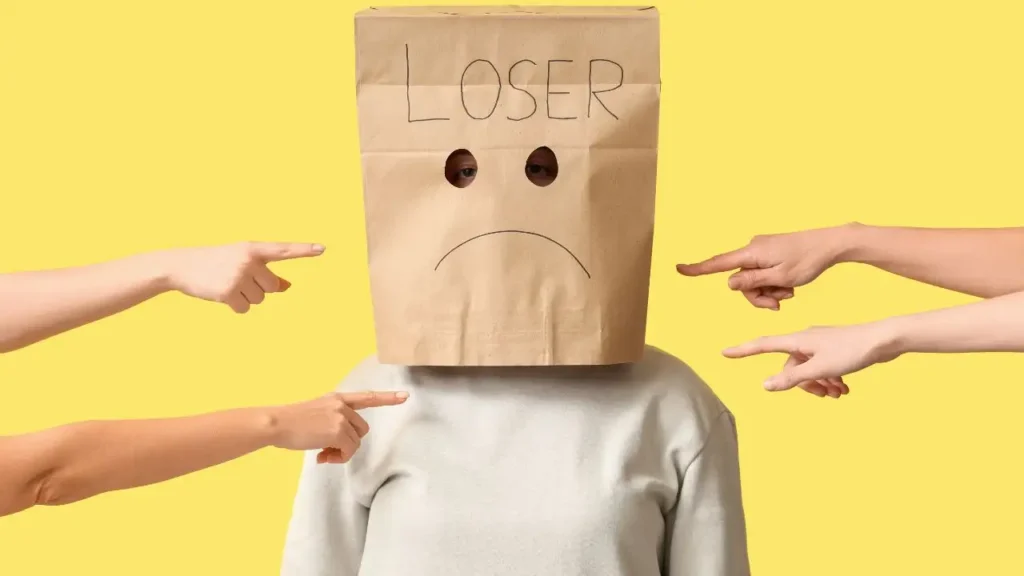
You might feel very sad when you think about autistic shame. This feeling often comes when people judge or do not understand you. Many autistic kids are left out—about 75% miss out on group activities, and some get bullied.
Sometimes, families have a hard time too. Parents might not ask for help because they are scared of being judged or left out.
Cultural ideas can make things worse, connecting disability to shame and keeping people apart. You are not alone, and shame does not have to stay forever.
Key Takeaways
- Autistic shame is feeling like something is wrong with you because you are autistic. This feeling often comes from how people treat you.
- Shame and guilt are not the same. Shame makes you feel bad about who you are. Guilt is feeling bad about something you did.
- Many things can cause autistic shame. These include society’s views, family hopes, and mean words from others.
- Masking means hiding your autistic traits to fit in. It can help you avoid being teased. But it can also hurt your mental health.
- Self-acceptance is very important. Notice your strengths and be nice to yourself. You should feel good about who you are.
- Support systems can help you with shame. Friends, family, or therapy can help you feel better about yourself.
- Making places more inclusive helps lower shame. These places let you be yourself without being judged.
- You can beat autistic shame by knowing what triggers it. Be kind to yourself and get help from others.
What Is Autistic Shame
Defining Autistic Shame
You might wonder what autistic shame really means. Autistic shame is a deep feeling that something about you is wrong or not good enough because you are autistic.
This feeling can show up when people treat you differently or expect you to act in ways that do not feel natural. You may feel embarrassed or want to hide parts of yourself. Sometimes, you might even believe you should change who you are to fit in.
Autistic shame is not just sadness or disappointment. It is a heavy feeling that can make you want to disappear or pretend to be someone else. You might notice this feeling when you get left out, teased, or told to act “normal.” But here is something important: autistic shame does not have to be part of your life forever.
Many autistic people see their autism as a natural part of who they are. They find joy and strength in their community. Autism is not a crisis or something to cure. It is just one way people experience the world.
You are not alone if you feel autistic shame. Many people have felt this way, but it does not mean you have to feel it forever.
Shame vs. Guilt
You might hear people talk about shame and guilt like they are the same thing. They are not. Shame is when you feel bad about who you are. Guilt is when you feel bad about something you did. For autistic people, these feelings can look different than for others.
Here is a simple table to show the difference:
| Emotion Type | Children with ASD | Neurotypical Children |
|---|---|---|
| Guilt | Less proneness | Higher proneness |
| Shame | Not explicitly discussed | Not explicitly discussed |
| Pride | Hubristic pride in severe cases | Authentic pride related to ToM |
You may notice that autistic kids often feel less guilt than other kids. Shame is not always talked about, but it can be strong. Sometimes, pride can show up in different ways too.
You might feel proud of who you are, or you might feel pride that is more about showing off. The main thing to remember is that shame and guilt are not the same. Shame makes you feel bad about yourself. Guilt makes you feel bad about your actions.
Why Shame Happens
You might ask, “Why do I feel autistic shame?” There are many reasons. Some come from inside you, and some come from the world around you.
- Your own values and how you see yourself can make shame stronger.
- People around you—family, friends, teachers—can shape how you feel.
- Society and culture can send messages that being different is wrong.
- Criticism, judgment, or stigma can make shame worse.
Sometimes, shame starts with something outside you, like a mean comment or a rule that does not fit you. You might feel like you are not good enough or that you need to change. Over time, these feelings can become part of how you see yourself.
- Someone says something hurtful or judges you.
- You start to feel like you are not enough.
- You begin to believe these feelings and shame becomes part of your thoughts.
Even well-meaning advice from family, like telling you to “act normal,” can make you feel ashamed. You might try to hide your true self or “mask” your behaviors to fit in.
But remember, autistic shame is not a natural part of being autistic. Many people in the autistic community believe autism is a normal part of human diversity. You deserve understanding and respect, not shame.
If you ever feel autistic shame, try to remember that it is not your fault. You are valuable just as you are.
Origins of Shame
Societal Stigma
Shame can start with how people see autism. Some people do not understand autistic traits. They might judge or treat you differently. This can happen in many places and cultures.
Stereotypes
Many people believe things about autism that are not true. These ideas can make you feel left out. Stigma can look different in each community:
- In Black communities, people might not notice signs of autism because of beliefs.
- Some think autism is a punishment or a weakness, so families may not want a diagnosis.
- This thinking can make families feel alone and stop kids from getting help.
- In some places, people blame autism on magic or bad parenting.
- Families might not ask for help because they are scared of being judged.
- In cultures that care about family honor, saying a child has a disability can feel shameful, so families might not ask for help.
Media Influence
The media also changes how people see autism. Movies and TV often show only one kind of autistic person. You might see characters who are either very smart or need a lot of help.
This small view can make you feel unseen or not understood. If you do not see yourself on TV, it can make autistic shame worse.
Family Dynamics
Your family can shape how you feel about yourself. Sometimes, family members do not understand autism. This can make shame stronger.
Parental Expectations
Parents often have hopes for their children. These hopes can change how you feel about yourself.
- What parents believe about you can shape their hopes.
- Their hopes can change how you see yourself and what you think you can do.
- How parents and kids talk is complicated, but it can really change how you feel as you grow up.
Sibling Roles
Brothers and sisters can also be affected by autism in the family.
- Siblings might feel left out or lonely.
- They could feel embarrassed by your actions.
- Not knowing about autism can make them feel worried or upset.
Internalization
When you hear bad things from others, you might start to believe them. This is called internalization.
Masking Behaviors
You might try to hide your autistic traits to fit in. This is called masking. Masking can help you avoid being teased or left out. But it can also hurt your mental health. Over time, masking can make you tired, unsure of yourself, and keep you from getting help.
Self-Perception
You might notice that people judge or stereotype you. This can make you feel less important or valuable. If you believe these ideas, your self-esteem and mental health can get worse. You might think you deserve the shame, but you do not.
Remember, autistic shame often comes from misunderstanding and pressure, not from who you are.
Impact by Age
Childhood
School Life
You might notice that school feels different for you. Teachers and classmates may not understand your needs. You could get left out of group activities or feel confused by classroom rules.
Sometimes, you might get in trouble for things you do not mean to do. These moments can make you feel like you do not belong. When you do not see yourself in the lessons or activities, it can make you feel invisible.
Peer Interactions
Making friends can feel hard. Other kids might not know how to talk to you or include you in games. You may feel lonely at recess or lunch. Sometimes, you get teased or bullied for being different.
These experiences can make you want to hide who you are. You might start to believe that you need to change to fit in.
Adolescence
Social Pressure
As you get older, social pressure grows. You might feel like you have to act a certain way to be accepted. Many autistic teens face big challenges:
- Anxiety affects 39% to 84% of autistic teens, making daily life harder.
- Emotional sensitivity can cause mood swings and make it tough to handle feelings.
- Bullying happens to about 90% of autistic teens, leading to withdrawal and feeling not good enough.
- Nearly half of autistic teens do not have friends outside of school, which can make you feel alone.
Identity Formation
During these years, you start to ask, “Who am I?” This can be confusing if you feel pressure to hide your true self. Many autistic and ADHD teens mask their real personalities to fit in, which can make your identity feel split.
Bullying happens more often for autistic youth, which can hurt your self-worth. Negative experiences can make you feel “less than” and add to a damaging self-image.
| Evidence Type | Description |
|---|---|
| Masking | Autistic and ADHD teens often camouflage their true selves for acceptance, leading to a fractured identity. |
| Bullying Rates | Autistic youth experience a 40% increase in bullying victimization, impacting their self-worth. |
| Internalized Shame | Negative interactions can fuel feelings of being ‘less than’ and reinforce a damaging self-image. |
Adulthood
Work Challenges
Workplaces can bring new struggles. You might feel unwanted or alienated by coworkers. Sometimes, you believe your needs do not matter. It can be hard to form real connections, which leads to isolation.
Many adults mask their behaviors to avoid criticism. This can feel exhausting and may cause burnout. High stress levels can make it hard to relax or enjoy work.
- Masking to fit in can drain your energy.
- You may struggle to survive in a work environment that expects you to act neurotypical.
- Stress can raise your cortisol levels, making it tough to unwind.
Relationships
Building relationships as an adult can feel tricky. You might find it hard to trust others or show your true self. The cycle of masking and feeling isolated can make it difficult to connect.
Without supportive people, you may miss out on the kind of interactions that help you feel better. Autistic shame can follow you into adulthood, but it does not have to define your future.
Identity Factors
Gender Differences
Women and Girls
Autistic shame can feel different for women and girls. Society often tells girls to be quiet and not stand out. If you are assigned female at birth, you may learn to hide your feelings. You might act like everything is okay, even when it is not. This can make you keep your feelings inside.
You may try to hide your autistic traits from others. There is pressure to fit in and not be different. Studies show girls and women often feel more shame than boys. You might pretend to be someone else to avoid being judged. This can make you feel lonely and not understood.
Nonbinary Experiences
If you are nonbinary or gender-diverse, you may face more problems. Many neurodivergent LGBTQIA+ people feel shame for being “too much” or not fitting in. You might have spent years hiding who you are. You may feel invisible sometimes.
Here are some things you might go through: You may feel like you do not belong anywhere. You might carry shame from hiding your true self. You could use art or writing to help you cope.
You might try things like self-compassion or making identity maps. Therapy can help, especially if it helps you accept yourself. You are not alone if you feel this way. Many people feel the same and find help in the neurodivergent and LGBTQIA+ communities.
Parental Shame
Parents’ Feelings
Parents of autistic children can feel shame too. This can come from many places. You might feel judged by family, friends, or doctors. Sometimes, you may blame yourself for your child’s struggles.
In the past, people wrongly thought autism was caused by “cold” parenting. These old ideas can still make parents feel bad today. You might feel stigma from people close to you. Self-blame can make you doubt your parenting. Old beliefs about autism can add to your shame.
Societal Perceptions
Society’s views on autism can make things harder for parents. Many parents feel stress and alone because of negative opinions. This can lower your self-esteem and make you feel lonely.
Some parents do not ask for help because they fear being judged. You might feel blamed for your child’s behavior, which can hurt your confidence.
| Evidence Description | Source |
|---|---|
| Parents of children with ASD often feel stress and isolation due to negative public perceptions, leading to lower self-esteem. | Gray, 2002; Lecavelier et al., 2005 |
| Self-stigmatization prevents parents from seeking social support, exacerbating their feelings of isolation. | Benson, 2010; Stoner & Angell, 2006 |
| Parents feel blamed for their child’s behavior, undermining their confidence and self-esteem. | Neely-Barnes et al., 2011 |
| Stigmatization occurs when parents are perceived as lacking proper parenting skills due to their child’s behavior. | Neely-Barnes et al., 2011; Stoner & Angell, 2006; Gray, 2002 |
You can see that autistic shame does not just affect you. It can touch your family and change how you see yourself and your loved ones.
Effects of Autistic Shame
Self-Esteem
What happens to your self-esteem when you feel autistic shame? You might start to believe that you are not good enough or that something about you is wrong.
This feeling can make you doubt your strengths and question your worth. You may notice that you compare yourself to others and feel like you always fall short. When people treat you differently or expect you to hide who you are, your confidence can drop.
Over time, you might stop trying new things or avoid situations where you feel judged. This can make it even harder to feel proud of yourself.
Mental Health
Autistic shame can have a big impact on your mental health. You may notice changes in how you feel, think, and act. These effects can show up in many ways, but anxiety and depression are two of the most common.
Anxiety
You might feel nervous or worried a lot of the time. This can happen when you try to fit in or hide your true self. You may worry about what others think or fear being left out.
Sometimes, your body reacts with a fast heartbeat, sweaty hands, or trouble sleeping. These feelings can make it hard to relax or enjoy life.
Depression
Depression can make you feel sad, tired, or hopeless. You might lose interest in things you used to enjoy. It can feel like you are carrying a heavy weight every day.
When you feel shame, you may start to believe that things will never get better. This can make it hard to ask for help or talk about your feelings.
Many people notice that self-stigma links to higher stress, anxiety, and depression. When you feel ashamed, your well-being and resilience can drop. Emotional responses like fear, confusion, guilt, and irritability can raise your risk for anxiety and depression.
Authenticity and Masking
What does it mean to be your true self? When you feel autistic shame, you might try to hide your traits to fit in. This is called masking. Masking can help you avoid teasing or judgment, but it comes with a cost.
- Masking often leads to stress and anxiety.
- You may feel drained after social situations where you have to hide your true self.
- Over time, you might feel confused about who you really are.
You may notice a gap between the person you show to others and your real self. This can make you feel fake or disconnected. Some people feel sad or have low self-esteem because of this. Years of masking can make it hard to know what you truly like or how you want to act.
Creating safe and supportive spaces helps you feel comfortable being yourself. Expecting you to unmask without support can be harmful.
Table: What Can Happen When You Mask
| Effect | What You Might Notice |
|---|---|
| Stress and Anxiety | Feeling tense or worried |
| Emotional Depletion | Feeling tired after social events |
| Identity Confusion | Not sure who you really are |
| Low Self-Esteem | Doubting your worth |
| Depression | Feeling sad or hopeless |
You can see that the effects of autistic shame reach many parts of your life. These effects are not your fault, and you deserve understanding and support.
Overcoming Shame
Recognizing Triggers
What makes you feel shame or upset? The first step is to notice what causes these feelings. Triggers are things that make you feel stressed or anxious. If you know your triggers, you can handle them better.
You might see patterns before you feel strong emotions or a meltdown. Some triggers are:
- Loud sounds or bright lights can be too much.
- Your routine changes and it feels hard.
- You feel tired after being around people.
- Arguments or misunderstandings make you stressed.
Meltdowns are not your fault. They happen when you are overwhelmed. It helps to plan for these times. You can make calming routines or set limits to protect yourself. When a meltdown starts, focus on comfort. Try deep breathing or hold something you like. Afterward, rest and think about what happened. This helps you get ready for next time.
Write in a journal about your triggers and how you react. This can help you see patterns and find ways to cope.
Self-Acceptance
What does it mean to accept yourself? Self-acceptance means seeing your strengths and struggles without judging yourself. When you accept yourself, you stop thinking you must change to fit in. This can help you feel less shame and more calm.
Many autistic people feel self-stigma. You might think you are not good enough or want to hide who you are. Almost half of autistic adults feel self-stigma.
This can make you feel sad or depressed. But being kind to yourself can help. Self-compassion breaks the link between shame and sadness.
| Variable | Findings |
|---|---|
| Self-stigma prevalence | 45.5% of autistic adults experience self-stigma. |
| Correlation with depression | Self-stigma is correlated with depression (ρ (687) = 0.437, p < 0.001). |
| Mediation by internalized shame | Internalized shame mediates the relationship between self-stigma and depressive symptoms (b = 1.48). |
| Moderating effect of self-compassion | Self-compassion moderates the mediation effect of self-stigma on depression (Indirect Effect, IE = -0.305, p = 0.044). |
| Camouflaging effect | Camouflaging does not moderate the relationship (IE = 0.003, p = 0.607). |
You can practice self-acceptance by telling yourself your feelings matter. Notice when you are hard on yourself and try to be gentle. Self-compassion does not mean ignoring problems. It means caring for yourself like you would care for a friend.
You do not have to earn acceptance. You deserve it just for being you.
Support Systems
What support helps you feel better about shame? Support systems are people and resources that help you feel safe and understood. They can be therapy, peer groups, family, or friends.
| Support Strategy | Description |
|---|---|
| Reduce threat response | Do calming things to relax and feel safe. |
| Connect with safe people | Build relationships with people who accept you. |
| Share with safe people | Talk about your struggles in a safe place. |
| Identify and address shameful beliefs | Notice and think about negative beliefs to see how they affect you. |
| Address overcompensation | Notice if you act out of fear of shame and decide if you want to change. |
Therapy
Therapy is a safe place to talk about your feelings. A therapist can help you learn about your triggers and ways to cope. You can work on changing negative thoughts and building self-acceptance. Therapy is not just for bad times. It can help you see your strengths and set goals.
Peer Groups
Peer groups let you meet others with similar experiences. You can talk about your feelings without fear. It helps to know you are not alone. Peer groups teach new coping skills and help you feel like you belong. Sharing and listening can change how you see yourself.
Support works best when you feel safe and accepted. You do not have to face autistic shame alone.
Creating Inclusive Environments
What does it mean to have an inclusive place for autistic people? You might think of a space where you feel safe and respected. In these places, you do not need to hide who you are. People accept your differences and notice your strengths. You can relax and act like yourself.
Being included is more than just being in the room. It means you feel like you belong there. People listen to you and care about your ideas. You do not have to worry about being left out or judged. When you feel included, shame can start to go away.
Inclusive places often have some things in common:
- People use kind words when talking about autism.
- Teachers, coworkers, and friends learn about how autism is different for everyone.
- Everyone knows that autistic people have their own strengths and needs.
- There are quiet spots or flexible rules to help you feel okay.
- Group activities make sure everyone can join, not just a few.
When you are in these places, you may feel less nervous or alone. It can be easier to join in and make friends. Your mental health can get better because you do not have to hide your true self.
Many autistic people deal with misunderstanding and stigma. This can make you feel left out, anxious, or sad. In an inclusive space, these feelings can get better. You feel supported and important. Your well-being can grow.
A big part of making these places is changing how people think about autism. People need to learn that autism is just one way to be human. When others see autistic strengths, they start to see you differently. Public figures and groups who talk about autism in a good way help change minds. This makes it easier for everyone to feel included.
You might wonder what happens when more places become inclusive. Here are some things you might see:
- Stigma and shame get smaller.
- People talk to each other with more respect.
- Life feels happier and less stressful.
- You see more acceptance in schools, jobs, and communities.
If you find a place where you feel safe and welcome, spend time there. You deserve to be in places that let you be yourself.
Making inclusive places is not just about new rules. It is about changing how people think and feel. When people welcome you as you are, you can let go of shame and start to do well.
You have learned what autistic shame is, where it comes from, and how it can affect your life. This feeling does not have to control you. Many people find hope and healing by taking small steps. What helps most?
- Notice when shame shows up in your life.
- Accept neurodiversity as part of who you are.
- Show yourself kindness during hard times.
- Take pride in every accomplishment, big or small.
You can move forward with confidence and find support. You deserve to feel proud of who you are.
FAQ
What is autistic shame?
Autistic shame means you feel bad about being autistic. You might think something is wrong with you. This feeling often comes from how others treat you or what society says about autism.
What causes autistic shame?
You can feel autistic shame when people judge you or expect you to act “normal.” Family, school, and media can all make you feel different. These pressures can lead you to hide your true self.
What does masking mean for autistic people?
Masking means you hide your autistic traits to fit in. You might copy others or pretend to be someone else. Masking can make you tired and stressed. It can also make you feel less like yourself.
What can you do if you feel autistic shame?
You can talk to someone you trust. Try writing about your feelings in a journal. Join a support group or find a therapist. Remember, you deserve kindness and understanding.
What are signs that shame is affecting your mental health?
You might feel sad, anxious, or tired all the time. You could lose interest in things you like. You may want to avoid people or hide your feelings. These signs show you need support.
What helps you build self-acceptance?
You can remind yourself that autism is part of who you are. Practice self-compassion. Celebrate your strengths and achievements. Spend time with people who accept you.
What does an inclusive environment look like?
An inclusive place welcomes everyone. You feel safe and respected. People listen to your ideas. You do not have to hide your true self. You can join activities and feel like you belong.
What support systems are available for autistic people?
You can find help from therapists, peer groups, family, and friends. Some schools and workplaces offer support programs. Online communities also give advice and understanding.