Skip to content
Last Updated on November 22, 2025 by John Hookway
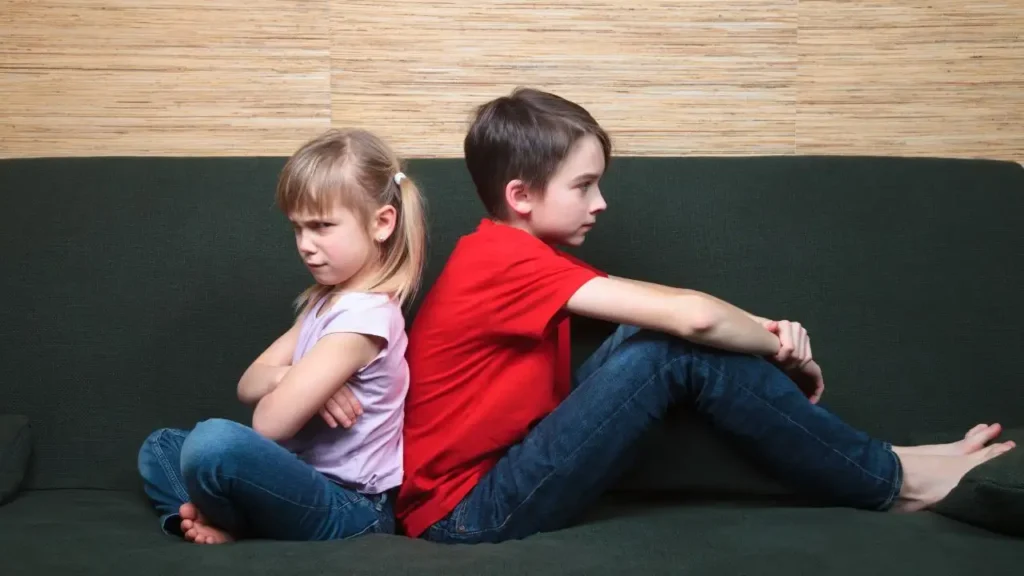
Have you ever thought about why having an autistic sibling dynamic feels different? Maybe you feel confused or upset when you try to talk to your sibling. Many families experience this dynamic too. You might see:
- Times when you feel embarrassed by your sibling’s actions
- Stress in your family or worries about money
- Moments when you feel guilty or angry
You are not the only one. What you feel is important. Let’s talk about what makes these sibling relationships special within the context of the autistic sibling dynamic.
Key Takeaways
- Having an autistic sibling can make you feel confused, embarrassed, or guilty. These feelings are normal and okay to have.
- Siblings often have to do more at home. This can help you grow up faster and become more independent. Try to see these changes as ways to learn and grow.
- Laughing together and sharing special moments can make your bond stronger. Find happiness in small things you do together every day.
- Respecting different opinions helps you trust each other more. Try to see things from your sibling’s side, even if it feels very different from yours.
- Sometimes you might feel ignored or alone. Tell your family how you feel so they can help meet your needs too.
- It is normal to feel jealous or upset sometimes. Notice these feelings and talk about them with someone you trust.
- Thinking about the future can make you worry less. Talk with your family about your worries and make a plan together.
- Talking openly and finding help can make you feel closer to your family. This can help you feel understood in your special family situation.
What Makes the Autistic Sibling Dynamic Different
Parent/Child Roles Between Siblings
Sometimes, your relationship with your autistic sibling feels like you are the parent. You might help your sibling with daily tasks. You may calm them when things get hard.
You might explain things to other people. This happens because your sibling needs extra help. You can feel proud when you help. You might also feel tired or wish things were not this way.
Studies show siblings of autistic children feel warmth, conflict, and rivalry like other families. But parents, especially moms, see less warmth and less fighting.
This means you and your parents might see your relationship differently. The autistic sibling dynamic mixes closeness and responsibility. It is hard to explain to people outside your family.
Maturity and Responsibility Shifts
Having an autistic sibling means you take on more responsibility early. You might do chores or help your sibling at school. You may help with routines. These things change you as you grow up.
- You can become mature because you handle tough situations.
- You might feel more responsible, knowing you help your sibling and family.
- These changes help you become independent and confident.
- As you get older, your role changes, and you learn to balance your needs with your sibling’s needs.
The autistic sibling dynamic often causes these changes. You might feel proud of yourself. It is okay to feel overwhelmed too.
Humor and Heartfelt Moments
Not everything about the autistic sibling dynamic is hard. You and your sibling may share jokes, funny routines, or silly games. These moments bring joy and help you feel close, even when things are tough.
Laughter can help you get through a hard day. Your sibling’s unique view of the world can lead to funny moments. These shared times can become your favorite memories.
You may feel your bond with your sibling is extra special. Facing challenges together can make your relationship stronger. The autistic sibling dynamic has many small, heartfelt moments. These remind you how important your connection is.
Honoring Different Perspectives
What does it mean to honor different perspectives in your family? In the autistic sibling dynamic, you and your sibling might see the world in ways that feel miles apart.
You may notice things your sibling misses, or maybe your sibling picks up on details you overlook. This difference can feel confusing, but it also brings something special to your relationship.
You might find that your sibling reacts to sounds, lights, or routines in ways you do not expect. Sometimes, you feel frustrated when your sibling does not understand your jokes or when plans change.
Your sibling might feel the same way about things that seem easy for you. Honoring these differences means you try to see things from each other’s point of view.
When you listen to your sibling’s thoughts, you show respect. You do not have to agree with everything, but you can learn a lot by being open.
Many siblings in families like yours notice some common things:
- You may develop a deeper understanding and appreciation for differences.
- You often take on extra roles, which can help you grow up faster.
- You might become more tolerant and open-minded.
- Sometimes, you feel jealous or left out when your parents focus on your sibling.
- You may face challenges from others who do not understand your family.
These experiences shape how you see yourself and your sibling. The autistic sibling dynamic teaches you that everyone’s view matters. You learn that your way is not the only way. Your sibling’s perspective can help you see the world with new eyes.
When you honor different perspectives, you build trust. You create space for both you and your sibling to feel heard. This makes your bond stronger and helps your family work together, even when things get tough.
Emotional Challenges for Siblings
Feeling Overlooked or Isolated
Sometimes, you might feel like no one sees you at home. Your parents may spend more time with your autistic sibling. This can make you feel left out or lonely.
It is normal to feel this way in families like yours. You may wonder if anyone cares about your feelings or listens to you. These feelings can happen at home, at school, or with friends.
Here’s what some studies have found about siblings in families like yours:
| Findings | Impact on TD Siblings |
|---|---|
| TD siblings face problems because of their sibling’s disability. | This can change how you feel at home, school, or work. |
| These things affect how you handle tough times. | Shows why help for your mental health is important. |
You might notice that making friends or doing schoolwork feels harder. Sometimes, you just want someone to ask how you are.
Guilt, Jealousy, and Resentment
It is normal to feel many emotions when you have an autistic sibling. You might feel jealous if your parents spend more time with your sibling. Sometimes, you feel guilty for wanting attention or for getting upset. You may even feel resentment, and that can make you feel bad.
Many siblings feel confused, frustrated, or embarrassed. You might also feel like you must take care of your sibling or worry about them.
Here’s what different sources say about these feelings:
| Source | Evidence |
|---|---|
| Lighthouse Autism Center | Siblings may feel jealousy, guilt, or resentment because their sibling gets more attention. |
| PA Autism | Typical siblings often feel jealous about the time parents spend with their autistic sibling and guilty for feeling this way. |
| The Guardian | Non-affected siblings say they feel resentment and selfish for wanting attention, but later feel more empathy as they grow up. |
You are not the only one who feels this way. Many siblings have these feelings, even if they do not talk about them.
Anxiety About the Future
You might worry about what will happen as you and your sibling get older. Thinking about the future can be stressful. You may wonder who will help your sibling or what you will need to do when you are grown up. Sometimes, you worry about your own life and how your sibling’s needs will change your plans.
Family studies show that these worries are common:
| Evidence | Description |
|---|---|
| Developmental Vulnerabilities | Non-autistic siblings may have more worries if there are other mental health issues in the family. |
| Family History Impact | Problems like anxiety or learning disabilities in family members can make you worry more about the future. |
| Social and Communication Difficulties | Siblings of children with autism may have more trouble with friends or talking if there are other mental health issues in the family. |
You may feel nervous about changes, new jobs, or what your family will be like later. These feelings are normal for kids with an autistic sibling.
Social Stigma and Peer Issues
You might notice that having an autistic sibling changes how you feel around your friends. Sometimes, you feel proud of your family.
Other times, you feel embarrassed or unsure about what to say. Social stigma can make things even harder. Stigma means people judge you or your sibling because they do not understand autism.
Many siblings like you face these challenges:
- About 40% of non-autistic siblings feel embarrassed or uncomfortable because of their sibling’s autism.
- You might feel this way when your friends do not understand why your sibling acts differently.
- Sometimes, people stare or make comments when you are out in public with your family.
- You may struggle to explain your sibling’s behavior to your friends.
You might wonder, “What will my friends think if they see my sibling having a meltdown?” or “How do I talk about autism without feeling awkward?” These questions are common. You are not alone if you feel nervous about inviting friends over or going out with your sibling.
“Sometimes I wish people would just ask questions instead of staring,” one sibling shared. “It feels like everyone is watching us, and I don’t know what to say.”
Peer issues can show up in many ways. You might avoid talking about your sibling at school. You may worry that your friends will not want to hang out with you.
Some siblings even lose friends because others do not understand autism. This can make you feel isolated or different from your classmates.
Here are some things you might notice:
- You feel pressure to act “normal” so your friends do not ask questions.
- You might hide parts of your family life to fit in.
- Sometimes, you feel angry when people make jokes or rude comments about autism.
- You may wish your friends could see your sibling the way you do.
Social stigma can make you feel like you have to choose between your family and your friends. It can be hard to balance both. You might feel proud of your sibling one moment and frustrated the next. These feelings are normal.
Remember, you are not the only one facing these peer issues. Many siblings in autism families deal with the same worries and questions.
Talking about your experiences can help you feel less alone. Your feelings matter, and it is okay to want understanding from your friends and your community.
Practical and Social Hurdles
Balancing Family Attention
What does it look like when your family tries to give everyone the attention they need? You might notice that your parents spend a lot of time helping your autistic sibling.
Sometimes, you wish you could have more one-on-one time with them. This is a common part of the autistic sibling dynamic.
Families often try different ways to make things feel fair. Here are some things parents do:
- Watch movies or play gentle sensory games together as a family.
- Talk openly about autism so everyone understands what is happening.
- Listen to both you and your sibling, making sure your feelings matter.
- Celebrate your sibling’s strengths, which can help you feel proud of them.
- Encourage you to join in your sibling’s favorite activities, even if they seem different.
- Explain autism in simple words so you know why your sibling acts a certain way.
- Spend special time with each child, both together and apart.
You might still feel left out sometimes, but these steps can help you feel seen and valued.
Navigating Friendships
What happens when you try to make friends while having an autistic sibling? You may worry about what your friends will think or say. Sometimes, you feel proud of your family. Other times, you feel nervous about inviting friends over.
You might notice:
- Friends ask questions about your sibling’s behavior.
- You feel like you have to explain things a lot.
- Some friends are understanding, while others are not.
- You sometimes hide parts of your family life to fit in.
It can feel tricky to balance your friendships and your family life. You may find that talking openly with friends helps them understand. You might also discover new friends who accept your sibling just as they are.
Sharing a funny story or a favorite memory about your sibling can help friends see the good parts of your family.
Managing Meltdowns and Routines
What do you do when your sibling has a meltdown or needs a strict routine? These moments can feel stressful or even scary. You might feel embarrassed if it happens in public or frustrated when plans change.
Families often use these strategies:
- Create spaces at home that feel calm and safe for your sibling.
- Keep routines the same each day to avoid surprises.
- Use pictures or signs to help your sibling know what will happen next.
- Make a plan that fits your sibling’s needs, but also helps you feel comfortable.
You might notice that these routines help everyone feel more relaxed. When you know what to expect, you can handle tough moments better. The autistic sibling dynamic means you learn to be flexible and patient, even when things get hard.
Strengths in the Autistic Sibling Dynamic
Empathy and Compassion
What happens when you grow up with an autistic sibling? You often see the world in a new way. You notice things that others might miss. You learn to care deeply about how people feel.
Many siblings in your shoes develop a strong sense of empathy and compassion. You might find yourself understanding people’s struggles, even if they do not say anything out loud.
Here are some strengths you might notice in yourself:
- You see the world with a unique and compassionate view.
- You learn to appreciate all kinds of differences in how people act or think.
- You build a deep sense of empathy and understanding for others.
You may find that you can comfort friends when they feel left out. You might stand up for someone who gets teased. These skills grow stronger because of your experiences at home.
Resilience and Adaptability
What does it mean to be resilient and adaptable? In the autistic sibling dynamic, you face changes and challenges almost every day.
You learn to handle surprises and bounce back when things get tough. You might notice that you can stay calm when plans change or when your sibling needs extra support.
Check out some ways you build these strengths:
| Evidence Type | Description |
|---|---|
| Intrapersonal Skills | You develop strong self-awareness and learn how to manage your own feelings. |
| Social Awareness | You often feel closer to your sibling than people realize. |
| Novel Skills | You pick up new ways to solve problems and connect with others. |
You also learn to deal with criticism or people who do not understand your family. These experiences help you grow more confident in other parts of your life.
| Evidence Type | Description |
|---|---|
| Resilience Development | You build coping skills by facing tough social situations. |
| Confidence Building | You learn to face challenges with courage and self-assurance. |
You might not notice these strengths right away, but they show up when you try new things or meet new people.
Shared Humor and Unique Bonds
What makes your relationship with your sibling special? You probably share inside jokes, silly routines, or funny stories that only you two understand.
These moments help you feel close, even when things get hard. You might laugh together about something that happened at home or make up games that fit your sibling’s interests.
“Sometimes, the best part of my day is when my sibling and I laugh about something only we get,” one sibling shared.
You build a bond that feels different from other friendships. You learn to find joy in small moments. These shared experiences help you see the good in each other and make your connection even stronger.
The autistic sibling dynamic brings out strengths you might not expect. You grow more caring, flexible, and connected. These qualities help you in your family and in the world around you.
Advocacy and Leadership
What does advocacy look like when you have an autistic sibling? You might not even realize you are doing it. Advocacy means you speak up for your sibling, your family, or even yourself. You become a voice for understanding and acceptance, sometimes without even trying.
You may notice that you explain autism to your friends or teachers. You answer questions about your sibling’s behavior. You help others see your sibling’s strengths, not just their challenges. This is advocacy in action. You stand up for your sibling when someone makes a rude comment or doesn’t understand. You might even correct myths about autism when you hear them.
“I tell my friends that my brother isn’t being rude—he just needs things to be quiet sometimes,” one sibling shared. “It helps them understand him better.”
Leadership often grows from these moments. You learn to take charge in tough situations. You might help your sibling during a meltdown or guide your family through a busy day. You organize routines, plan activities, or help your parents make decisions. These are all signs of leadership.
Here are some ways advocacy and leadership show up in your life:
- You teach others about autism in simple words.
- You help your sibling join in games or activities.
- You speak up when you see unfair treatment.
- You support your sibling at school or in the community.
- You help your family solve problems together.
Sometimes, you become a role model for younger siblings or friends. People look to you for advice because you understand both the challenges and the joys of having an autistic sibling. You show others how to be patient, kind, and open-minded.
| Advocacy Example | Leadership Example |
|---|---|
| Explaining autism to peers | Organizing family routines |
| Correcting stereotypes | Helping during meltdowns |
| Supporting inclusion | Making group decisions |
You might not always feel like a leader. Sometimes, you just want to be a regular kid. That’s okay. Leadership doesn’t mean you have to be perfect. It means you care enough to help, to speak up, and to make things better for your sibling and your family.
Advocacy and leadership are strengths that grow over time. You learn them by living with your sibling every day. These skills help you at home, at school, and in the world. You become someone who makes a difference—not just for your sibling, but for everyone around you.
Supporting Siblings in Autism Families
Open Communication
You might wonder how siblings feel heard in autism families. Talking openly is very important. When you are honest and listen, you build trust. This helps everyone share their feelings, even the hard ones.
Age-Appropriate Talks
What does it mean to talk in age-appropriate ways? You want everyone to understand, no matter how old they are. Younger siblings need simple words and examples. Older siblings may want more details or ask harder questions.
- Use words your sibling understands.
- Give examples from real life to explain autism.
- Tell your sibling it is okay to feel confused or upset.
- Check in often to see if they have new questions.
You do not need every answer. Just being ready to talk helps a lot.
Encouraging Questions
What happens when siblings can ask questions? You show them their thoughts matter. They feel safe to share worries or ideas. This helps solve problems and stops confusion.
- Invite siblings to ask anything, even if it feels weird.
- Listen without judging or stopping them.
- Thank them for sharing what they think.
- Let them know it is okay not to know everything.
Family therapy experts say sharing feelings helps everyone understand each other better. When you let siblings ask questions, your family grows closer and more supportive.
Education and Understanding
What helps siblings learn about autism? Learning and support help a lot. When you know more, you feel less confused and more sure of yourself. It is also easier to explain things to friends or teachers.
Resources and Books
There are many resources just for siblings. Books, videos, and online guides explain autism for different ages. Some families use storybooks for young kids. Others use websites or groups for teens.
Studies show siblings with these resources feel better about their autistic sibling. They also have fewer mental health problems when they understand autism. Support groups like Sibshops let siblings talk and learn from others with similar lives.
- Find books about autism for kids and teens.
- Join sibling support groups in your area or online.
- Ask parents or teachers for good websites or videos.
Involving Siblings in ABA or Support Groups
What happens when siblings join therapy or groups? They learn new ways to help and connect with their autistic sibling. You might join an ABA session or go to a sibling workshop. These teach you about routines, talking, and handling tough times.
- Siblings can join therapy to learn helpful skills.
- Support groups let you meet others who understand your family.
- You can share stories, ask questions, and get advice from others.
Experts say including siblings in therapy builds teamwork and empathy. It helps everyone feel like part of the team.
Mental Health and Self-Care
You might ask what mental health problems siblings face in autism families. Many siblings feel stress, anger, or sadness. Some feel alone or have trouble with big feelings. It is important to notice these feelings and know what to do next.
Recognizing Stress
You may see signs of stress, like trouble sleeping or feeling angry. Sometimes, you want to be alone or feel overwhelmed by family routines. Noticing these feelings is the first step to feeling better.
| Mental Health Challenges | Recommended Interventions |
|---|---|
| Dysfunctional coping strategies | Psychological and psychosocial support |
| Social isolation | Peer involvement |
| Anger | Family-centered approaches |
| Self-harm | |
| Emotional distress (fear, sadness) |
Accessing Counseling
What can you do if stress feels too big? Counseling can help. Talking to a counselor gives you a safe place to share your feelings. You can learn new ways to cope and feel more in control.
Getting help works best when you can talk with other siblings too. This means you might join group sessions or talk with a counselor who knows about autism families. These supports can really help your feelings.
- Ask your parents or school counselor about mental health help.
- Join a sibling support group to meet others who understand.
- Remember, taking care of your mental health helps your whole family.
When you focus on open talks, learning, and self-care, your family can do better. The autistic sibling dynamic can be hard, but with support, you and your siblings can grow stronger together.
Fostering Positive Interactions
Inclusive Family Traditions
What does it look like when your family includes everyone in traditions? Some families have movie nights, game days, or special meals. These activities help everyone feel like they belong. When you do things with your autistic sibling, you make memories that last a long time.
You can see a difference when everyone gets to pick what to do. Maybe your sibling likes puzzles, and you like to draw. You can take turns choosing activities. This helps both of you feel important.
Here are some ways families make traditions that include everyone:
- Family game nights where everyone plays, even if you change the rules so your sibling can join.
- Cooking together and letting each person pick a favorite food.
- Doing arts and crafts as a group, using different supplies so everyone can join in.
- Going for walks or playing outside, letting your sibling choose how fast to go.
- Celebrating small wins, like finishing a puzzle or learning something new.
When you include your sibling in these traditions, you help them feel important. You also learn to be patient and work as a team. These moments can make your family closer.
What happens when you try new things together? You might find new activities you both like. Doing things together lets you see what your sibling enjoys. You learn about what makes them happy, and they learn about your interests too.
Celebrating Strengths
What does it mean to celebrate strengths in your family? Everyone has something special they are good at. You might be good at sports, and your sibling might have a great memory or be really funny. When you notice and celebrate these things, everyone feels proud.
You can celebrate strengths in many ways:
- Give compliments at dinner about something each person did well.
- Make a “strengths board” where you write or draw what you like about each other.
- Tell stories about times your sibling made you laugh or helped you.
- Cheer for each other at school events or therapy.
- Take pictures of achievements and put them up at home.
| Strength | How to Celebrate |
|---|---|
| Creativity | Hang up artwork on the fridge |
| Kindness | Share stories about helping others |
| Humor | Write down funny moments in a family journal |
| Memory | Play trivia games together |
“My sister always remembers everyone’s birthday. We make it special and let her plan the party,” one sibling said.
When you celebrate what makes each person unique, you help them feel confident. You also show your sibling that you see what they are good at, not just what is hard for them. This helps everyone in the family feel noticed and valued.
Fostering positive interactions is about what you do together. It means making traditions that include everyone and celebrating what makes each person special. These actions help your family feel closer and make your home a place where everyone belongs.
Family Changes Over Time
Evolving Roles and Relationships
What happens as you and your sibling grow up? Your roles in the family can shift in ways you might not expect. When you were younger, maybe you helped your autistic sibling with daily routines or explained things to others.
As you get older, you might notice your sibling becoming more independent, or you might take on new responsibilities. Sometimes, you become a mentor or a guide. Other times, you step back and let your sibling try things on their own.
You may also see your relationship change. You might argue less and laugh more. You could find new ways to connect, like sharing music or hobbies.
Many siblings of autistic kids develop strong empathy and patience. You learn to accept differences and support each other in unique ways. Over time, you may even notice that you are more open-minded than your friends.
“I used to feel like I had to protect my brother all the time. Now, I see him doing things on his own, and I feel proud,” one sibling shared.
Some siblings choose careers where they help others. Studies show you are three times more likely to work in jobs like teaching, counseling, or healthcare if you have an autistic sibling. These changes in your family can shape who you become and what you value.
Life Transitions and Planning Ahead
What big changes can your family expect? Life brings many transitions, like starting school, moving to a new home, or welcoming a new baby. Each change can feel exciting and scary at the same time. Planning ahead helps everyone feel more prepared.
Families often use different strategies to make these transitions easier. Here’s a table that shows what you might try:
| Strategy | Purpose |
|---|---|
| Use social narratives or visual aids | Helps you and your sibling know what to expect with new changes |
| Establish a consistent routine | Keeps everyone feeling safe and steady |
| Engage in role-play with dolls | Lets you practice new situations and build social skills |
| Pre-expose to baby sounds and smells | Makes new experiences less surprising |
| Consult a professional for guidance | Gives your family extra support and ideas |
You might also talk with your parents or a counselor about what comes next. Maybe you wonder who will help your sibling when you grow up or move away. Some families make plans together, so everyone knows what to expect.
- You can ask questions about the future.
- You can help make decisions about routines or changes.
- You can share your feelings about what you want or need.
Planning ahead does not mean you have to know everything. It just means you are ready to face new things as a team. Your family will keep changing, but you can handle it together.
Resources for Sibling Support
Getting the right support can really help when you have an autistic sibling. You might wonder what help is out there for you. There are many books, online groups, and services that want to help you feel understood and less alone.
Books and Online Communities
There are lots of books and websites made for siblings like you. These resources teach you about autism and let you share your feelings. You can also meet others who know what you are going through.
- Autism, My Sibling, and Me – This book explains autism in simple words for younger siblings.
- Sibling Resource Packet – This packet has resources and links to support groups for your age.
- Ian’s Walk: A Story About Autism – This story shows what it is like to have an autistic sibling and helps you feel empathy.
- Views from Our Shoes: Growing Up With a Brother or Sister with Special Needs – This book shares real stories from other siblings.
- What About Me?: A Book By and For An Autism Sibling – This picture book talks about the good and hard parts of having an autistic sibling.
- Sibling Box – Printable Version – This toolkit has fun activities for you and your sibling to do together.
- Guidebook for Sibling Youth Engagement – This guide gives ideas for spending time with your sibling and getting involved.
- Life as an Autism Sibling: A Guide for Teens – This guide talks to teens about their special experiences.
- What Siblings Would Like Parents and Service Providers to Know – This paper tells adults what siblings want them to understand.
- Supporting You Every Step of the Way: Resources for Siblings of Autistic Individuals Across the Lifespan – This resource gives support for siblings of all ages.
You can join online groups where siblings talk and help each other. These places help you feel less alone and let you ask questions.
Reading about other siblings’ lives can help you feel understood.
Professional and Local Support
You might wonder what professional or local help looks like for siblings. Many groups and organizations have support just for you.
| Organization | Description |
|---|---|
| Sibs Charity | Gives resources and advice for siblings of people with disabilities, including autism. They help you understand your feelings and what you go through. |
You can also get help from:
- Peer groups – These groups let you meet other siblings and share your stories in a safe place.
- Recreation and social events – Fun activities help you relax and meet others who understand your family.
- Online support groups – These groups let you talk, ask questions, and get advice any time you need.
Many towns have sibling workshops or special events. You might find these at your school, a local autism center, or a community center. These supports help you make friends, learn new things, and feel more sure of yourself.
You do not have to do everything by yourself. Many people want to help you and your family.
If you want to know what help is out there, start with books, online groups, and local events. These supports can help you feel stronger, more connected, and ready for anything.
What makes the autistic sibling dynamic special? There are hard times and good times. Siblings help each other with feelings and care. Talking in ways everyone understands helps people feel included. Doing things together as a family is important. Experts say you should:
- Explain autism with easy words.
- Let everyone ask questions and notice what people do well.
- Pick activities that everyone likes.
The most important thing is to keep helping each other and talk honestly. When your family listens and learns together, you get closer and feel more hopeful about what comes next.
FAQ
What should you do if you feel left out as a sibling?
You can talk to your parents or another trusted adult. Let them know how you feel. Ask for special time together. Remember, your feelings matter.
What can help you explain autism to your friends?
You can use simple words or share a favorite book about autism. Try telling a story about your sibling. Sometimes, a quick fact or a funny moment helps friends understand.
What makes sibling support groups helpful?
Support groups let you meet others who get what you go through. You can share stories, ask questions, and learn new ways to handle tough times. You might even make new friends.
What are some ways to handle meltdowns at home?
You can stay calm and give your sibling space. Try using a quiet voice or helping them find a safe spot. Ask your parents for tips that work best for your family.
What can you do if you worry about the future?
You can talk with your family about your worries. Make a list of questions or things you want to know. Planning together helps everyone feel more ready for changes.
What strengths can you gain from having an autistic sibling?
You might become more patient, caring, and understanding. You learn to see the world in new ways. These strengths help you at home, at school, and with friends.