Skip to content
Last Updated on September 4, 2025 by John Hookway
You might ask, does Osaka have autism? There is no official proof of this. Many fans talk about how she acts. Osaka sometimes shows traits that people connect to autism.
She has different ways of seeing things and does things in her own way. Fans see these habits and talk about them online.
You can look at these ideas with an open mind. Talking kindly helps people learn about Osaka’s character and neurodiversity.
Key Takeaways
- Osaka acts in ways that some fans link to autism, like being sensitive to sounds and having special hobbies. There is no proof that Osaka is autistic, but many neurodiverse fans feel connected to how she acts.
- Talking about Osaka helps people learn about neurodiversity in shows and helps others understand different ways people think.
- When people talk kindly about characters like Osaka, it can help build a caring group for those who see themselves in her. Anime can help teach about neurodiversity, even if the characters are not called autistic.
Does Osaka Have Autism
Official Confirmation
You might ask if anyone has given an official answer about Osaka having autism. The people who made Azumanga Daioh have not said yes or no about Osaka being neurodivergent.
There are no guidebooks or commentaries that talk about autism or ADHD for her character. Many fans think Osaka’s personality fits some signs of Autism Spectrum Disorder.
She acts in ways that seem familiar to people who are neurodiverse. Still, you should know that nothing official says she is autistic.
- Osaka’s character shows traits that match autism.
- Neurodiverse fans often feel close to her.
- Some people think she has autism or inattentive ADHD traits.
- She spaces out, has sensory sensitivities, and likes unique things in the show.
- Even with these traits, there is no official proof about her neurodivergence.
Fan Theories
Fans have many reasons to ask if Osaka has autism. You can see these reasons in how she acts and thinks.
Her special ideas and strange behavior make her different. Many people who talk about neurodiversity use her as an example of autism in anime.
Here is a table with the most common traits fans talk about:
| Trait/Behavior | Description |
|---|---|
| Sensory sensitivities | Osaka has both good and bad sensory sensitivities. |
| Repeating phrases | She repeats phrases she likes a lot. |
| Infodumping | Osaka shares lots of info without thinking if it fits. |
| Odd but deep interests | She likes things that are unusual but important to her. |
| Unconventional perception of language | Osaka understands language in a special way, like wordplay and Kanji details. |
| Catastrophizing | She sometimes thinks things will turn out really bad. |
| Out-of-the-box thinking | Osaka does simple tasks in ways that are not usual. |
You will see these traits in talks about autism. Some fans think Osaka has autistic traits. These talks help people learn about autism and neurodiversity.
People share their thoughts about characters like Osaka, which leads to bigger talks about how media shows different people.
Culture also changes how people see Osaka’s traits. In Japan, fitting in is very important. This can make it hard for autistic people to be themselves.
There is stigma about autism in Japan, so people know less about it. Japanese culture wants everyone to get along, so being different may seem bad. When you look at Osaka’s character, you can see how these ideas from culture affect what fans think and say.
Fan Observations
Notable Traits
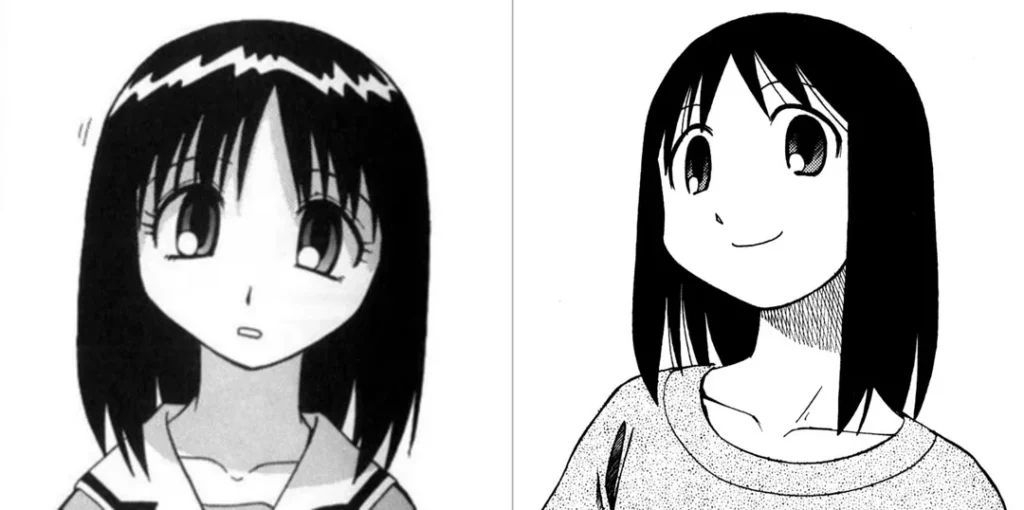
When you watch Azumanga Daioh, Osaka is different from her classmates. Many fans notice her unique actions and wonder if she has autism. She often daydreams in class. Sometimes, she does not notice what is happening around her.
Osaka has trouble with schoolwork, but she is good at riddles and word games. Her thinking is unusual and leads to surprising comments. She can focus on her own thoughts, even when the class is busy. Sometimes, she sees small things that others do not see.
For example, she can find patterns or details her friends miss. Osaka also has special interests, like marine biology, and she loves to share facts about them.
Here are some traits fans talk about:
- Gets distracted in class
- Focuses deeply on her own ideas
- Has clever thoughts and likes word games
- Struggles in school but is smart in other ways
- Notices details others miss
- Shares facts about her favorite topics
- Says things that surprise people
These traits help fans feel close to Osaka. If you think in a different way or have special interests, you might relate to her.
Community Discussions
You can find many talks about Osaka online. Neurodiversity groups often say she shows autistic traits. Fans talk about how she thinks in her own way.
Some people say she helps others feel understood. You can see posts on forums and social media where people share their stories. They compare Osaka’s actions to their own lives with autism.
These talks help more people learn about neurodiversity in anime. You can see how shows can show different ways of thinking. Fans use Osaka to talk about being kind and understanding.
If you join these groups, you can share your ideas and learn new things. Being respectful helps everyone feel welcome.
Comparing Traits
Overlaps with Autism
When you watch Osaka, you see traits like autism. Many fans notice how she thinks in her own way. She often gets lost in her thoughts. Sometimes, she does not notice what is happening around her.
Osaka focuses a lot on things she likes, such as word games or marine biology. She repeats phrases and shares facts without thinking about the moment. These actions are like autistic traits, such as infodumping and strong interests.
You can look at Osaka’s traits and compare them to autism in this table:
| Osaka’s Trait | Common Autistic Trait |
|---|---|
| Deep focus on interests | Intense special interests |
| Repeats phrases | Echolalia or repetition |
| Misses social cues | Difficulty with social cues |
| Unique language use | Unusual language patterns |
| Notices small details | Strong attention to detail |
Studies show kids with autism sometimes have trouble with words and movement. Osaka likes wordplay and understands words in special ways. This matches what some studies say about autistic behaviors.
Differences
Osaka also has traits that do not match autism. She shows her feelings strongly and reacts with surprise or excitement. Many autistic people find it hard to show feelings, but Osaka shares hers easily.
She joins group activities and likes being with friends. Some autistic people like being alone or find groups hard.
Osaka daydreams and gets distracted a lot. This can look like inattentive ADHD. She does not always have sensory overload, which is common in autism. Her actions seem random, but autistic people often follow routines.
When you ask if Osaka has autism, you see both matching and different traits. Remember, every person is different. Looking at traits helps you learn about Osaka, but it does not give a final answer.
Respectful Discussion
Neurodiversity in Media
Anime and Japanese media show neurodiversity in many ways. Anime uses bright colors and strong emotions. These things help you connect with characters who think differently.
Some stories use visuals that make you feel what the characters feel. Anime often moves through strange worlds and tells stories in special ways. This style is liked by people with Autism Spectrum Disorder because it gives clear feelings and patterns.
- Anime shows big feelings and colorful scenes.
- Stories have moments you can guess will happen.
- Most characters with neurodivergent traits are not named as such. You might not know if they really represent neurodiversity.
- Only a few characters are called autistic.
Anime can help you learn about neurodiversity, even if the characters are not diagnosed. When you ask, “does osaka have autism,” you join a bigger talk about how media shows different minds.
Thoughtful Conversations
You are important in fan groups. When you talk about neurodiversity and characters like Osaka, you help others learn. You should be kind and careful when you talk.
Many fans share their stories and connect with characters who seem neurodivergent. Some fans feel happy when they see their lives in fanfiction or art.
Others may feel sad if their favorite character is shown in a new way. This means stigma is still around.
Listen to other fans and ask questions. Respect what they feel and think.
You can follow good steps to make talks better:
- Use correct and careful words when you talk about neurodivergent traits.
- Support stories that show neurodivergent characters as full people, not just their diagnosis.
- Ask teachers and librarians to share books and media about neurodiversity.
- Accept hidden or hinted traits, which can help undiagnosed people feel seen.
- Make sure everyone feels welcome in your group.
You help make a safe place for learning and sharing. When you talk about neurodiversity, you help others feel accepted. You show that every person and every character should be respected.
You will not find an official answer about Osaka’s autism. Fans have many opinions about her. Some fans notice she spaces out a lot.
Others see her sensory sensitivities. She solves problems in her own way. The table below shows how fans talk about her traits:
| Trait/Behavior | Description |
|---|---|
| Tendency to space out | Osaka often gets lost in her thoughts, which is a common characteristic associated with autism. |
| Sensory sensitivities | She displays both seeking out and avoiding various stimuli, indicating sensory processing issues. |
| Unconventional language perception | Osaka shows a unique knack for wordplay and kanji subtleties, reflecting her distinct cognitive style. |
| Catastrophizing | She tends to overthink situations, which can be linked to anxiety often seen in neurodivergent individuals. |
| Out-of-the-box problem solving | Her approach to tasks is often counterintuitive, showcasing a different way of thinking. |
Talking about characters like Osaka helps people learn more about autism in media. These talks can break old stereotypes. They show autistic people in a good way. Osaka’s character lets viewers see someone with autism who has friends and is liked. This is different from the negative ways autism is sometimes shown in movies or TV.
You make fan groups better when you speak kindly. Asking questions like does osaka have autism helps you learn about her and autism in shows.
FAQ
Is Osaka officially diagnosed with autism in Azumanga Daioh?
No, there is no official diagnosis for Osaka. The creators did not say she has autism. Fans guess this because of how she acts.
Why do fans think Osaka shows autistic traits?
Osaka acts in ways that seem different. She spaces out and likes word games. She shares facts with others. These things are signs of autism. Fans talk about her in neurodiversity groups.
Does Osaka’s behavior help people understand autism?
Yes, watching Osaka can teach you about autism. Her character shows how people think in different ways. Fans say she helps others feel seen and understood.
Can you relate to Osaka if you are neurodivergent?
Many neurodivergent viewers feel close to Osaka. You might see your own habits in her actions. She helps you feel less alone and more accepted.
Where can you join discussions about Osaka and autism?
You can join forums or social media groups. Neurodiversity communities also talk about her. Fans share ideas and stories. You learn more when you talk with others who care about representation.